Living Near Murcia City & Cartagena: Culture, Beaches & Amenities
By Lee Doherty
MedSol Real Estate · Murcia property specialist · 28 August 2026
Living near Murcia city and Cartagena gives you two very different day-trips within about 25 minutes of the golf-resort belt. Murcia offers a Baroque cathedral, a 750-year-old university and big-city shopping and hospitals. Cartagena brings a Roman theatre, a working naval port and quality beaches. The Mar Menor sits between them.
Picture a Tuesday. You play nine holes in the morning, drive twenty-odd minutes for a long lunch under the orange trees in Murcia, then swing home before the afternoon heat softens. On Saturday you point the car the other way, toward Cartagena's harbour and a Roman amphitheatre older than most countries. That's the quiet advantage of this stretch of the Region of Murcia: you're not choosing between city culture and the coast. You're sitting neatly between both.
What does Murcia city give you as a resident?
Murcia is a proper working city of roughly 472,000 people (2024), not a resort town that empties in October. The Cathedral of Santa María anchors the old centre — built between 1394 and 1465 in Gothic style, with a Baroque main façade (1736–1754) considered a masterpiece. You'll walk past it on the way to the Plaza de las Flores, where the tapas bars fill up around 1pm.
The University of Murcia was founded in 1272, and the student energy shows — late-opening cafés, cheap set lunches, a bookshop-and-terrace rhythm. For practical life, the city has large hospitals, department stores like El Corte Inglés, and the everyday shopping you'd struggle to find in a village.
What's Cartagena actually like?
Cartagena is the coast with a backbone of history — the region's second city at around 219,000 people, wearing its 3,000 years openly. The Roman Theatre is the headline: built in the 1st century BC, lost for centuries, rediscovered in 1988 and restored with a museum by architect Rafael Moneo. You can walk from a modern shopping street straight down into stone seating.
It's also a real naval city, hosting the main base of the Spanish Navy, so the harbour has grey warships alongside the yachts. You get museums, a curving marina for evening walks, and a working port that keeps the place from feeling like a film set. Cartagena also has more quality-rated beaches than any other Spanish city, with spots like Cala Cortina close to the centre.
Where do the beaches and the Mar Menor fit in?
Two coastlines, two moods. The Mar Menor is Europe's largest saltwater lagoon, separated from the Mediterranean by a thin strip of sand called La Manga. Its water is shallow and warm — often several degrees warmer than the open sea — which makes it forgiving for young families. Then there's the Mediterranean proper, along the Costa Cálida south of Cartagena, with rockier coves and deeper, cooler water. From the resort belt you can reach the calm lagoon or the open sea in roughly the same drive.
How does the golf-resort belt sit between them?
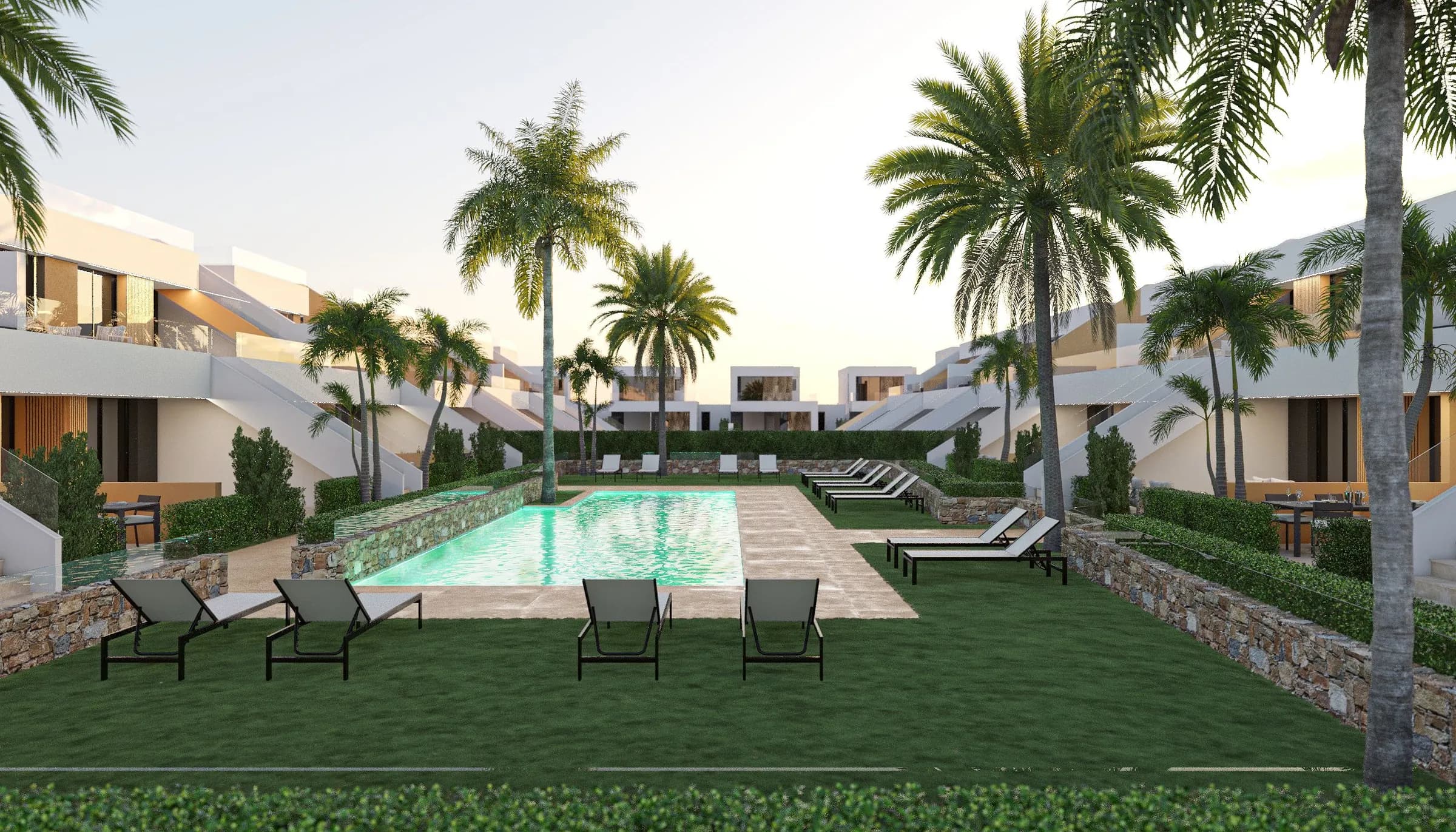
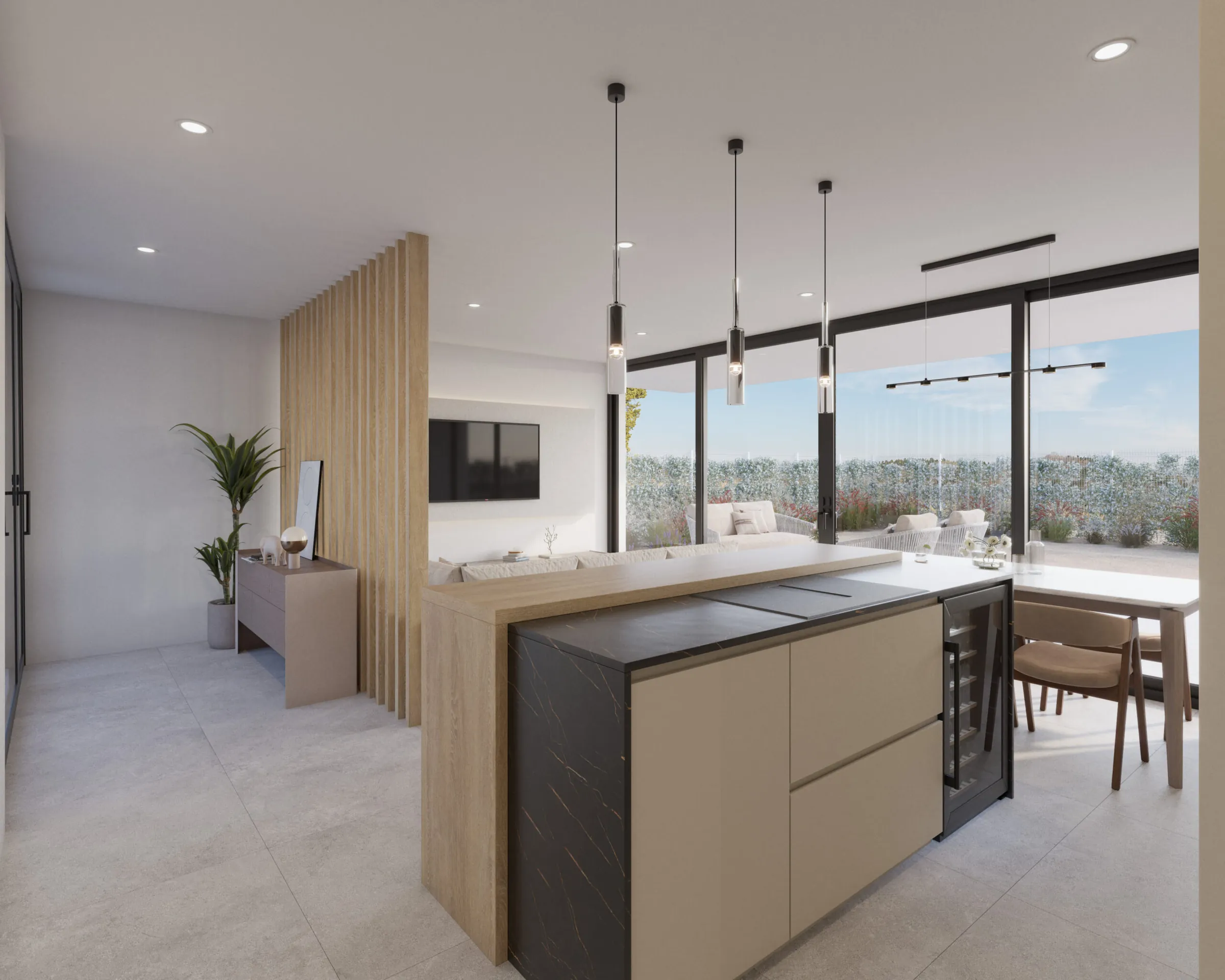
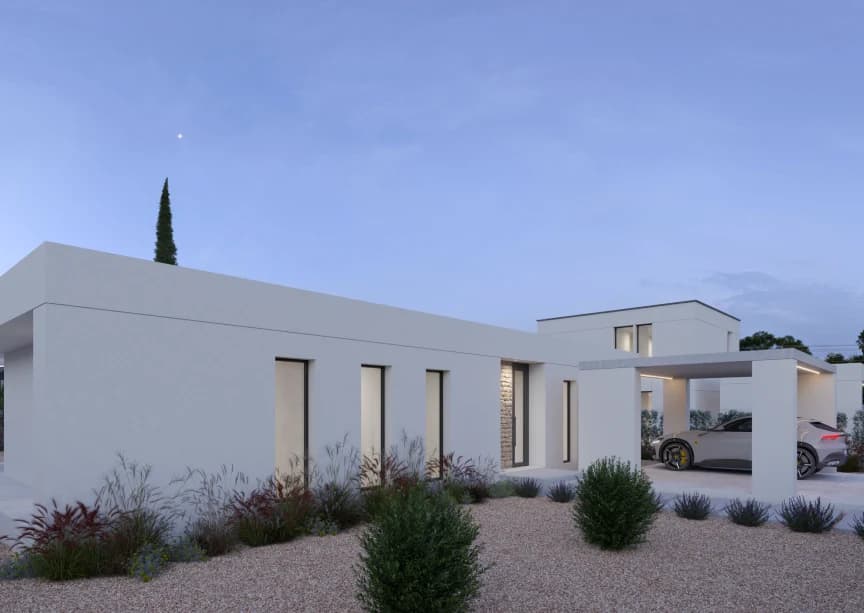
The resorts — Omala Residences, Alhama Nature and Corvera Hills — aren't tucked in one corner. They sit in the middle, so both cities and both coastlines are short, similar drives.
| From the resort belt | Approx. drive |
|---|---|
| Murcia city centre | ~25 minutes |
| Cartagena (port & beaches) | ~25 minutes |
| Corvera airport (RMU) | ~15 minutes |
| Mar Menor lagoon | ~20–30 minutes |
| Murcia city | Cartagena | |
|---|---|---|
| Population (2024) | ~472,000 | ~219,000 |
| Best for | Shopping, hospitals, university buzz | History, harbour, beaches |
| Signature sight | Baroque cathedral | Roman Theatre |
| Water nearby | No (inland) | Mediterranean coves |
For healthcare, shopping and international schooling, a large city on each side widens your options. There are private and public hospitals in both, and several international schools operate across the Murcia–Cartagena corridor, so the school run stays realistic from the resorts.
An honest note on the trade-offs
Being between two cities means you're not inside either. If you want to stroll to a late dinner or the theatre at 9pm without driving, a golf resort won't give you that; you'll take the car and, some nights, a taxi home. The resorts are also quieter in winter — plenty of owners love the calm, but if you need year-round street buzz on your doorstep, an apartment in central Murcia or Cartagena suits you better. And July and August are genuinely hot inland, which is exactly when those short drives to the Mar Menor earn their keep.
FAQ
Is Murcia or Cartagena better to live near?
Neither wins outright. Murcia is stronger for shopping, hospitals and city life; Cartagena for history and beaches. The resort belt lets you use both.
How far is the airport?
Corvera (RMU) is about 15 minutes from the resorts, which makes UK visitors and short breaks easy.
Can I live here without much Spanish?
You'll manage day to day, especially near the resorts and coast. A little Spanish goes a long way in the cities and with local admin.
Is the Mar Menor safe to swim in?
The lagoon has faced well-documented environmental problems and recovery efforts. Check current local water-quality guidance before you swim; the open Mediterranean is always an alternative.
Are there international schools nearby?
Yes, several operate along the Murcia–Cartagena corridor. Catchment and fees vary, so shortlist early.
If this in-between lifestyle sounds right, the practical next step is to feel the drives yourself — resort to cathedral, resort to harbour, resort to lagoon. I can map a visit around the homes and the day-trips, so you're judging the location, not just the show house. Get in touch.
Written by
Lee Doherty
Lee Doherty is the founder of MedSol Real Estate, working on the ground in the Region of Murcia to help UK and international buyers find homes in Murcia.